Planning a Garden Without Losing Your Mind (Or Your Marigolds)
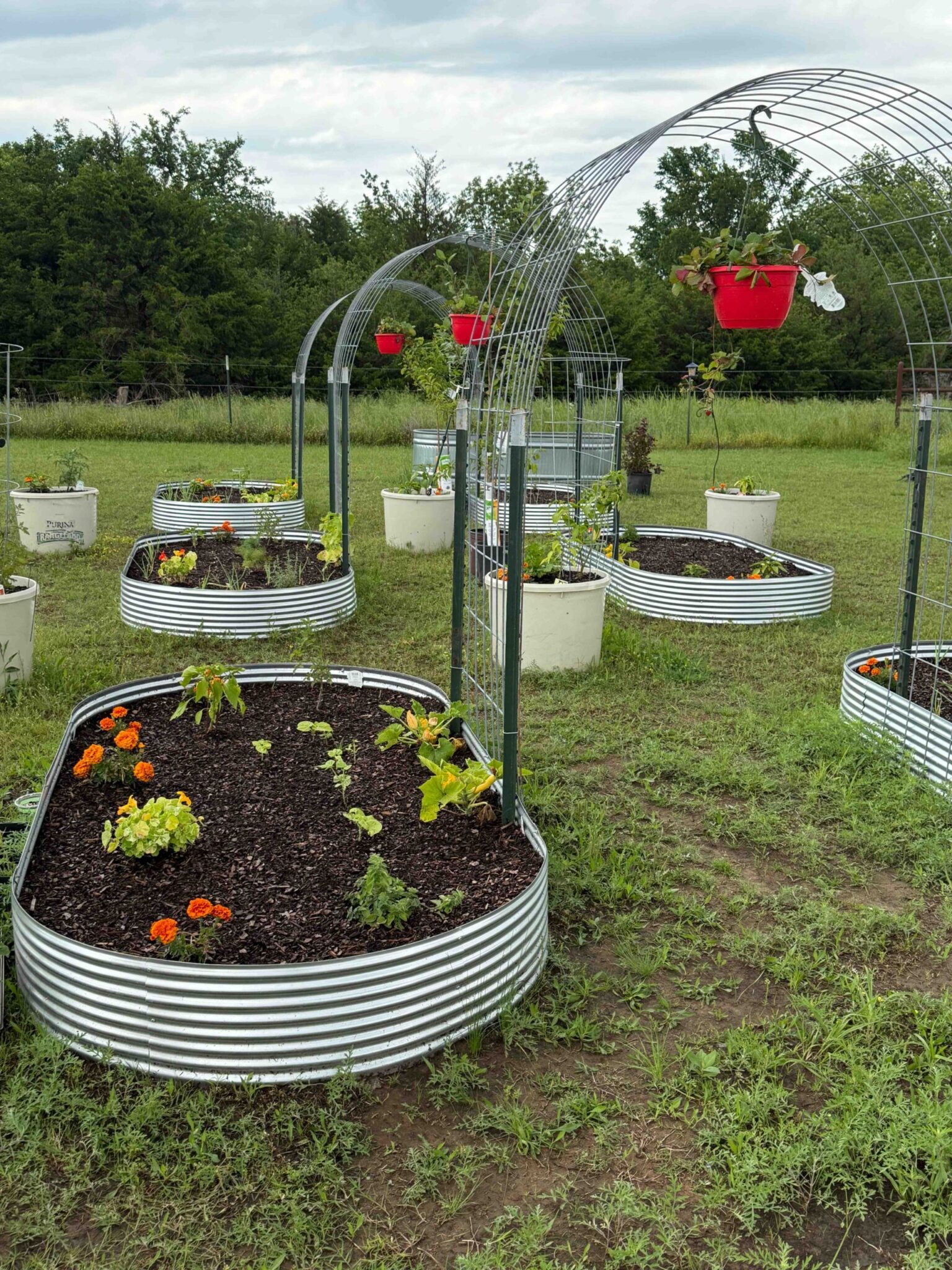
A chaotic-but-caffeinated guide to figuring out what the heck to plant, where, and when.
Let’s get one thing straight: garden planning isn’t just for the Type A folks with color-coded seed packets and spreadsheets. It’s for the rest of us too—the people who remember to water things eventually, who buy more seeds than we have space for, and who are doing their best not to cry in the mulch pile.
Whether you’re dealing with raised beds, containers, or a patch of Oklahoma red clay that laughs in the face of soil tests, this post will help you plan a garden that actually works in Zone 7b—without turning into a full-time job.
🪴 Step 1: Set Your Gardening Goals (a.k.a. What Are You Actually Trying to Grow Here?)
Before you dive into companion charts and planting calendars, ask the real questions:
- What do you and your family like to eat?
- How much time do you realistically have for gardening?
- Are you growing for fun, food, sanity, or to keep the kids from fighting over the hose?
Pick 5–7 core veggies or herbs to start. You can always go wild later.
🌟 Hot Mess Tip: If your brain short-circuits at the seed rack, start with one raised bed, one container garden, or even just three veggies you like. That’s it.
🪪 Step 2: Know Thy Zone (You’re in 7b, Baby)
Here in Oklahoma Zone 7b, your average frost-free window runs from early April to early November. That gives you:
- A solid spring planting season (March–May)
- A hot summer grow-fest (May–August)
- And an underrated fall planting window (September–October)
Cool-season crops (peas, lettuce, spinach, radishes) go in early spring or fall.
Warm-season crops (tomatoes, peppers, squash, beans) wait until after last frost, or they’ll pout and die.
🧾 Step 3: Map Out Your Space (It’s Fine if It’s on the Back of a Napkin)
You don’t need fancy software. Grab a pencil and sketch:
- The size of your beds or containers
- Sun/shade patterns
- Hose access (because watering should not be cardio)
- Any permanent plants, like herbs or berry bushes
Think of it like building your garden’s seating chart. Who gets the front row sun? Who likes to hide in the back?
👯 Step 4: Use Companion Planting to Group Like-Minded Veggies
This is where your companion planting chart earns its keep.
Group plants that:
- Help each other grow (like basil + tomatoes)
- Repel pests
- Won’t compete for the same nutrients
- Mature at the same rate
Avoid putting the mean girls next to each other (looking at you, onions and beans). And remember: spacing still matters. Don’t cram it all in like it’s a carry-on bag.
🌻 Step 5: Plan in Waves, Not All at Once
You don’t have to plant everything in one chaotic weekend.
- Start early with cool-weather crops
- Add your summer plants in waves as the soil warms
- Plan ahead for fall (you’ll thank yourself later)
Bonus: This approach helps avoid burnout, overcrowded beds, and harvests where 40 cucumbers ripen on the same Tuesday.
📆 Step 6: Make Peace With the Chaos
Even with a plan, nature does what she wants. Your dog will dig up your onions. A hailstorm will take out your peppers. Squash bugs will mock you.
Still worth it.
Leave space for last-minute changes, garden center impulse buys, and forgotten seedlings that you suddenly remember in June.
Final Thoughts: You Don’t Need to Be a Garden Guru
You just need to start. Pick a plant, grab a trowel, and go grow something. Whether it thrives, flops, or teaches you a weird lesson about aphids — it’s all part of the journey.
You’ve got this. And if not? We’ll blame the weather and try again next season. That’s the real gardener life.
🌿 Ready to Start Your Garden? I’ve Got You Covered.
Feeling inspired (or at least slightly less panicked)? Before you dive into the dirt, check out my curated list of gardening essentials — tools, raised bed basics, gloves that actually fit, and other goodies I actually use in my own chaotic backyard setup.
🛒 Click here to shop my garden must-haves
(That’s my affiliate link, which means I may earn a small commission at no cost to you — thank you for supporting this garden-fueled madness!)
Everything on the list is perfect for beginners and busy people who just want to grow something without running to the store every other day.