Companion Planting in Oklahoma (Zone 7b): Because Your Garden Deserves Friends Too
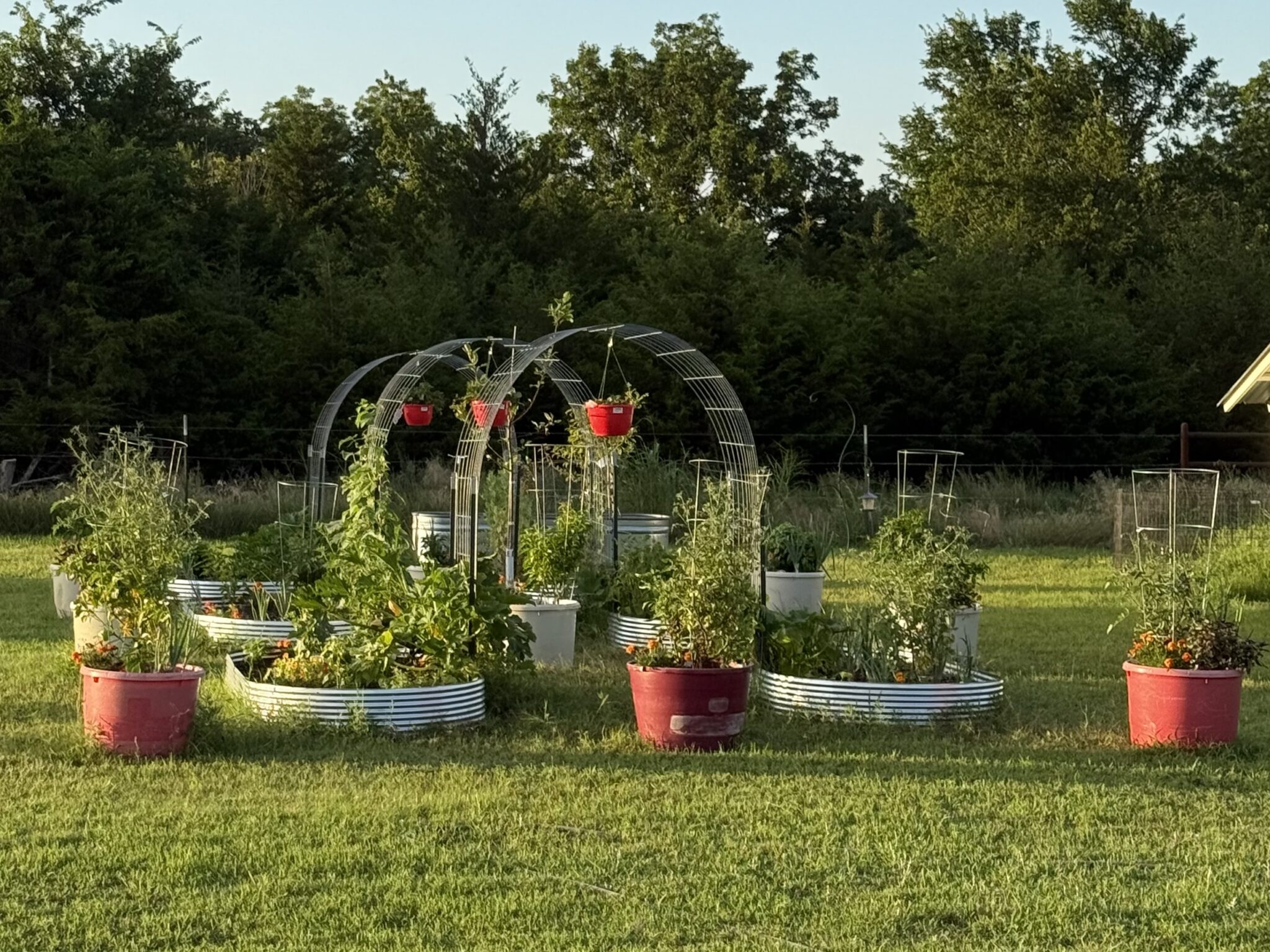
Look, if I have to spend time with my neighbors, my vegetables might as well have some company too. Welcome to the wild world of companion planting — the gardening equivalent of a middle school lunchroom, where everyone has a buddy (or an enemy) and no one wants to sit alone.
If you’re gardening in Zone 7b, right here in Oklahoma, you already know we’re working with a unique combo of hot summers, unpredictable springs, and the occasional freak ice storm that shows up just to humble you. But companion planting? It’s one of the few things that can actually make your garden easier to manage, more productive, and less bug-infested — without resorting to chemical warfare.
Let’s break it down.
What Is Companion Planting (and Why Should You Care)?
Companion planting is basically matching plants that get along — some improve flavor, some keep pests away, and some just play nice in the same raised bed.
Think of it like matchmaking for your garden. But instead of awkward small talk, you’re getting better yields, fewer pests, and happier plants.
The Oklahoma Zone 7b Reality Check
In Zone 7b, our last frost date is usually around early April, and our first frost hits by early November (give or take a week when Mother Nature decides to be dramatic).
That gives us a solid spring and fall planting window, with summer hot enough to grill your flip-flops if you’re not careful. Choosing the right companions can:
- Shield sensitive plants from brutal sun
- Attract pollinators during those crucial bloom weeks
- Repel bugs that want to snack on your hard-earned veggies
- And, let’s be real — make your raised bed look like you know what you’re doing
Oklahoma-Friendly Companion Combos
Here are some tried-and-true plant pairings that actually work in Zone 7b — because we don’t have time for Pinterest lies.
🥕 Carrots + Tomatoes + Basil
- Basil helps repel hornworms, adds flavor, and makes your garden smell like an Italian kitchen.
- Tomatoes give carrots shade to prevent bitterness.
- Bonus: You can pretend you’re growing a caprese salad right out of the dirt.
🌽 Corn + Beans + Squash (The Three Sisters)
- Corn gives beans a natural trellis.
- Beans fix nitrogen in the soil to help corn and squash grow.
- Squash sprawls out and acts like ground cover, choking out weeds and keeping soil moist.
These three together are an indigenous gardening classic — and honestly, they work really well in our red clay soil if you amend it like your life depends on it.
🥬 Lettuce + Radishes + Carrots
- Quick-growing radishes help break up soil for carrots.
- Lettuce loves the filtered shade and stays cool longer.
- Plant them early in spring or late in summer for a fall harvest that won’t bolt the minute it hits 85°.
🥔 Potatoes + Horseradish
- Horseradish helps repel pests that love potatoes.
- Pro tip: Don’t put potatoes near tomatoes — they both attract the same nasty blights.
🌶️ Peppers + Marigolds
- Marigolds are your bestie here — they’re like bug repellent with petals.
- Peppers enjoy the extra protection, and marigolds thrive in the heat right along with them.
Plants That Just Need to Stay Away From Each Other
Because not everyone can get along — and that includes your veggies.
- Onions + Beans/Peas: Onions stunt legume growth. Keep ‘em separated like an angsty punk rock anthem.
- Tomatoes + Corn: They both attract the same pests (hello, tomato fruitworm and corn earworm), so it’s best not to put them next to each other.
- Cucumbers + Sage: Sage can inhibit cucumber growth, and nobody wants to come between you and your pickles.
A Few Real-Life Tips from a Zone 7b Gardener (That’s Me)
- Stagger your planting: Don’t dump everything in the ground the same weekend. Spread it out and you’ll avoid a chaotic harvest and total sun shock.
- Mulch is your friend: Companion planting works even better when you lock in moisture and reduce weeds. Bonus: You’ll water less. You’re welcome.
- Pay attention to spacing: Companion planting doesn’t mean cramming all your plants into one bed like it’s a discount flight. Give them room to breathe.
Final Thoughts: Chaos, but Make It Cooperative
Companion planting in Oklahoma Zone 7b isn’t just about pretty Pinterest charts or aesthetic raised beds (though let’s be honest — we love a cute garden moment). It’s about working smarter, not harder, and letting your plants do some of the heavy lifting.
So go ahead — pair your peas, mingle your marigolds, and let your garden be the social butterfly it was always meant to be. You’ve got enough on your plate. Let nature be your co-gardener this season.
Want a printable companion planting chart that won’t make your eyes glaze over? I’ve got one in the works. Drop a comment below if you want first dibs when it’s ready!