Guidance for New Players on Handling Slot Sessions
I have spent years evaluating reel-based games, and the first lesson I discovered is that the approach to structuring a session matters more than the game you pick. Aviator is a one crash-style game rather than a classic slot, so the same discipline that works on reels also holds here, but the mechanics are different. In this article I outline how to define limits, interpret volatility, time your bets, and use the game’s features without drifting into unplanned losses. All I write is rooted in the official rules of Aviator, not on casino-wide promotions.
Grasping the Game’s Basic Mechanics
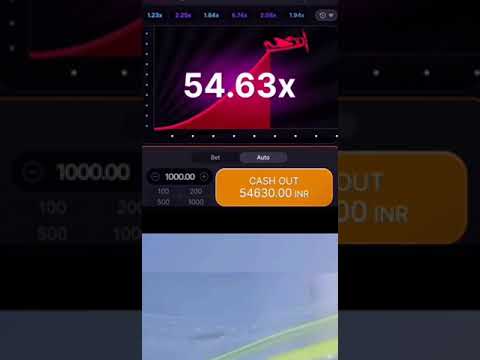
Aviator utilizes a single multiplier that climbs from 1.00× until a random crash happens. Each round commences when the plane lifts off, and you decide when to cash out. The outcome is established by a certified random number generator, so the crash point is separate of every previous round. This design excludes reels, paylines and symbol matching, but it keeps the same mathematical tension you experience in any casino game: the longer you wait, the higher the possible return and the greater the risk of getting nothing.
The published RTP is around 97 %, which is comparable with many video slots. Volatility is high because most rounds conclude below 2.00× while a small percentage attain 10.00× or more. Knowing this distribution assists you set realistic cash-out targets instead of chasing the rare 100× events that control highlight reels. I always keep a note of the last twenty crash points on screen; they do not anticipate the next result, yet they remind me that long multipliers are exceptions, not the norm.
Planning Sessions Near Natural Breaks
Long continuous play weakens attention and makes it harder to stick to cash-out targets. I schedule sessions of thirty minutes followed by a ten-minute break away from the screen. During the break I jot down the total wagered, the number of rounds played, and the net result. The short pause restores focus and prevents the sunk-cost feeling that promotes chasing losses.
Evening sessions tend to run longer because there are fewer external interruptions. Set a phone alarm for forty minutes and stop when it rings, regardless of the current multiplier. The discipline is simple, yet most players neglect it after the first few wins. Consistent session length protects the bankroll more effectively than any in-game feature.
Reading In-Game Statistics While Avoiding Over-Interpreting
The live stats panel shows the last fifty crash values, the highest multiplier of the day, and a simple frequency graph. These numbers are valuable for confirming that the distribution matches the stated volatility, yet they carry no predictive power. I glance at the panel once at the start of a session to verify that nothing looks unusual, then close it. Constant monitoring creates the illusion of control and tends to larger stakes after a series of low crashes.
If you prefer data, export the last two hundred rounds into a spreadsheet once a week. Determine the median crash point and the percentage of rounds above 5.00×. The exercise needs five minutes and indicates whether your chosen cash-out levels are realistic. View the figures as a mirror of past behaviour rather than a forecast of future results.
Picking Realistic Cash-Out Targets
The lure in Aviator is to observe the multiplier increase past your intended exit point. I define two targets before each round: a secure cash-out at 1.50× and an optional second cash-out at 3.00× if the plane is still flying. This double-target method locks in a small profit early and leaves a portion of the stake to chase a larger multiplier. The game permits two simultaneous bets, so I can allocate one stake to each target without extra clicks.
Record your actual cash-out history for one hundred rounds. Most players realize that they cash out later than planned when the multiplier is rising and earlier than planned when it is falling. Adjust your targets to align with the data, not your hopes. If the average successful cash-out is at 1.80×, aiming for 2.50× every round will slowly reduce the bankroll even though the published RTP remains constant.
Employing Automatic Cash-Out and Automatic Bet Functions
Aviator offers an automated cash-out slider that triggers at a selected multiplier even if you walk away from the screen. I set the secure target beforehand, then activate the auto bet function to repeat the exact stake for a set number of rounds. This combination erases the urge to change targets mid-round and holds total liability within the pre-set budget. The game halts auto play if the balance drops below the next stake, avoiding accidental overspending.
Auto features function optimally when you review them after every fifty rounds. keep reading Check the hit rate of your chosen multiplier and adjust the slider if the real results vary from expectations. Setting auto play off after a big win also prevents the common mistake of carrying on at the unchanged stake when the session should end.
Identifying Emotional Signals and Acting Promptly
The primary emotional trigger in Aviator is watching a multiplier climb just past the moment where you cashed out. The feeling can prompt larger bets on the upcoming round to “compensate for” the lost profit. I counter this by noting the forgone amount in the session log and treating it as amusement cost rather than regainable loss. The written record reduces the desire to increase stakes right away.
Another cue occurs after five or more low drops in a sequence. The urge is to raise the wager, expecting a balancing high multiplier. Rather, I lower the stake by half for the following ten rounds. This mechanical action keeps the budget untouched while the multiplier curve returns to its normal distribution. Emotional judgments are replaced by a predetermined rule.

Determining a Definite Budget Before You Start
Before the first round starts, set specifically how much you will risk in total and split that sum into individual stakes. In the UK the stake buttons let you select from £0.10 up to £100 per round, so it is straightforward to size bets to your overall limit. I break my budget into at least twenty equal parts; that way a short losing streak does not exhaust the session fund bbc.co.uk in minutes. If the balance drops to zero, the session ends, no exceptions.
Write the budget on paper or in a phone note before you open the game. The physical act of recording the number makes it harder to ignore later. Many players boost stakes after a win, aiming to press an advantage; the opposite approach works better. Lower the stake by 20 % after every three consecutive losses so the remaining budget lasts longer and gives the multiplier curve more opportunities to appear.
Reviewing Results and Modifying Future Limits
At the end of every session I take two minutes contrasting actual results with the targets set at the start. I observe the average cash-out multiplier, the longest losing streak, and whether the session stayed inside the budget. These figures reveal whether the chosen stake size and cash-out levels are workable over hundreds of rounds.
If the average cash-out sits below the planned target, I reduce the goal by 0.20× for the next session rather than increasing stakes to compensate. Small, incremental adjustments based on recorded data maintain the game enjoyable without eroding the bankroll. The review habit converts each session into a source of information instead of a random event.
Common Questions
What is the first step to play Aviator?
Launch the game, select a stake between £0.10 and £100, and hit the bet button. Track the multiplier climb and press cash out before the plane disappears. The first round is free to observe; no funds are at stake until you verify the stake.
How do manual and auto cash-out differ?
Manual cash-out lets you decide the precise moment to exit, while auto cash-out triggers at a predetermined multiplier. Auto mode eliminates doubt but commits you to one target. Both options can operate simultaneously on the two offered bets.
Am I able to modify my stake mid-round?
No. When the plane departs, the stake is fixed for that round. You must wait until the crash or cash out before making a new bet at a different amount.
Are there limits to how much you can win in Aviator?
The multiplier can conceptually rise without limit, but the game imposes a realistic ceiling presented on screen. The maximum payout per round corresponds to the stake multiplied by that ceiling, typically several thousand times the bet.
Does the advertised RTP hold for all sessions?
The 97 % RTP is computed over millions of rounds. Short sessions will vary above or below this figure. View RTP as a long-term average rather than a guarantee for any single session.